Better Sleep Habits Beat Any Gadget on Your Nightstand
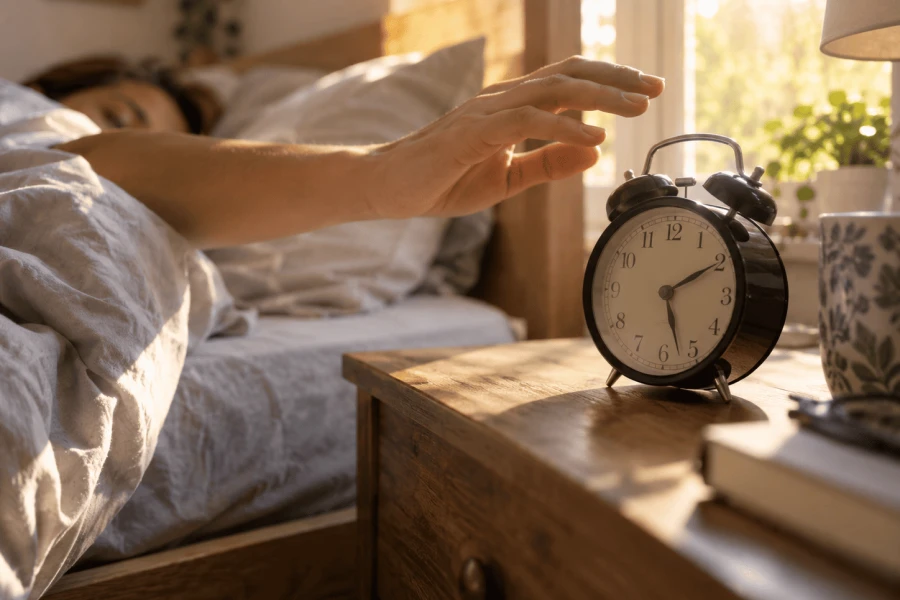
Better sleep habits get built enthusiastically on a Sunday and abandoned by Wednesday. The plan looks sensible on paper: earlier bedtime, no screens, no coffee after lunch. Then a deadline appears, a child wakes at two, and the whole structure disappears. Most sleep advice assumes a life without interruptions, which almost nobody has. A routine that survives real weeks needs far fewer rules and considerably more flexibility. It also needs one anchor that stays fixed regardless of what else happens. Gadgets rarely solve this, despite what the marketing suggests. This article covers why rigid plans fail, which single habit does most of the work, and what to do on the nights when sleep simply refuses. Nothing here requires buying anything. Habits do the work that devices advertise.
Why Better Sleep Habits Fail on Busy Weeks

Most routines break because they depend on everything else going smoothly. A five-step wind-down works beautifully until the evening runs ninety minutes late. All-or-nothing thinking then finishes the job, since one missed night feels like proof of failure. People respond by abandoning the whole system rather than scaling it down. Build a minimum version alongside the full one from the start. Two steps you can complete while exhausted beat five you skip entirely. Flexibility protects consistency, which is the thing that actually matters. Expect disrupted nights and plan for them in advance. Sustainable habits bend rather than break. Rigid ones collapse on the first difficult Tuesday.
Wake Time Anchors the Whole System
One fixed point stabilizes everything else, and it is not bedtime. Getting up at a consistent hour, including weekends, keeps the body clock aligned. Sleeping in for three hours on Saturday produces a mild version of jet lag by Sunday night. Your circadian rhythm responds to light and timing far more than to intention. Morning daylight within an hour of waking strengthens the signal considerably. Ten minutes outside usually beats any lamp you could buy. Bedtime then drifts naturally toward the right hour without being forced. Fix the morning and the evening tends to follow. That single change outperforms most elaborate routines. Anchor the morning and the rest follows.
Better Sleep Habits Begin in the Afternoon
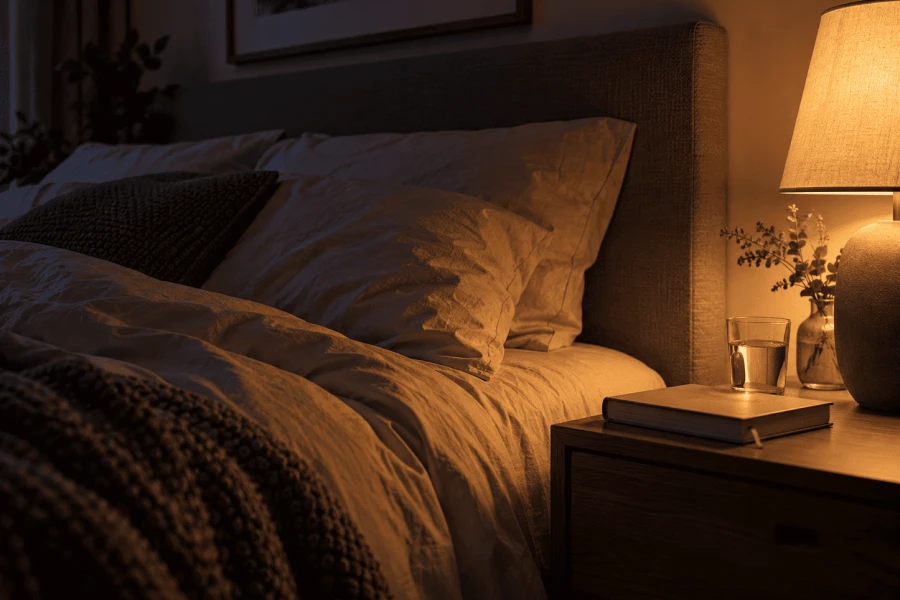
The night is decided long before you reach the bedroom. Caffeine has a long half-life, which means an afternoon coffee is still working at midnight. Alcohol helps people fall asleep and reliably damages the second half of the night. Heavy meals close to bedtime interfere with settling for many people. Exercise supports sleep strongly, though intense sessions late in the evening can delay it. Standard sleep hygiene advice covers these basics because they genuinely matter. Daytime light exposure also improves night-time sleep more than most people realize. Adjust one input at a time and observe the effect. Sequential testing beats changing everything at once. One variable at a time reveals what actually helps.
Screens, Light, and the Evening Trap
The problem with evening screens is not only the light they emit. Content keeps the mind engaged precisely when it needs to disengage. One more episode or one more scroll pushes bedtime back invisibly. Reducing screen time before bed works best when you replace it rather than simply forbid it. Keep a book, a puzzle, or music within reach of where you sit. Dim the household lights an hour before bed, which signals the transition without ceremony. Charge phones outside the bedroom if the habit proves stubborn. Environment beats discipline almost every evening. Make the better choice the easier one. Friction decides most evening decisions.
Better Sleep Habits for the Nights You Cannot Sleep
Lying awake and trying harder reliably makes things worse. Frustration raises alertness, which is the opposite of what the moment requires. Leave the bed after roughly twenty minutes and do something quiet and dull in low light. Return only when you feel genuinely sleepy rather than merely tired of waiting. Keeping the bed associated with sleep protects the association long term. Write down the worry keeping you awake, since externalizing it often reduces the loop. Persistent insomnia at night lasting more than a few weeks deserves a conversation with your doctor, as effective treatments exist. One bad night matters far less than the fear of another. Reduce the stakes and the pressure eases. Sleep returns more easily when it stops being a performance.
Better Sleep Habits Need Tracking, Not Obsession

Measurement helps until it starts creating anxiety of its own. Wearables estimate sleep stages rather than measuring them precisely. Chasing a perfect score can worsen rest by adding performance pressure to a passive process. A simple note about bedtime, wake time, and how you felt captures most of the useful signal. Review it fortnightly instead of every morning. Readers using reflection tools for stress may also find the careful approach to wellbeing tools relevant here. The bundle behind this article gathers practical resources on routines, environment, and evening habits in one instant download. Trust how you feel during the day over any number on a screen. Daytime energy is the measurement that counts. How you function tells you more than any chart.









Leave a comment